

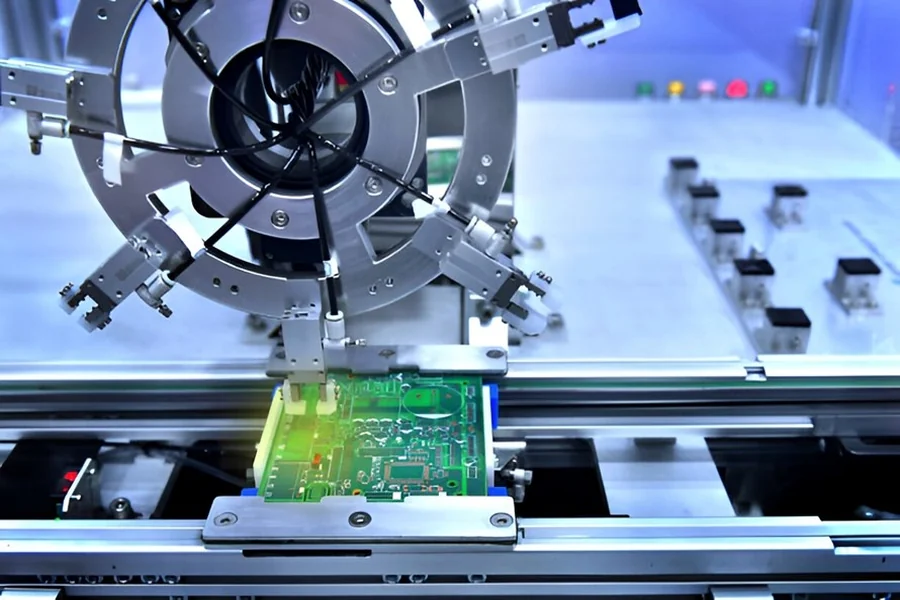
LED PCB assembly is a specialized manufacturing process focused on assembling printed circuit boards designed specifically for light-emitting diode applications. As LED technology continues to dominate lighting, display, and signaling markets, the importance of high-quality LED PCB assembly has increased significantly. These assemblies are not only responsible for powering LEDs but also for managing heat, ensuring electrical stability, and maintaining long operational life.
Unlike standard electronic boards, LED PCB assembly places a strong emphasis on thermal performance and mechanical stability. LEDs are highly sensitive to temperature fluctuations, and improper assembly can reduce brightness, efficiency, and lifespan. For this reason, LED PCB assembly requires precise engineering, controlled processes, and deep material knowledge.
Key Features of LED PCB Assembly
LED PCB assembly is defined by several unique characteristics that differentiate it from conventional PCB assembly processes.
Thermal Management Requirements
One of the most critical aspects of LED PCB assembly is heat dissipation. LEDs generate heat during operation, and if this heat is not effectively transferred away from the junction, it can degrade performance. Metal core PCBs, aluminum substrates, and specialized thermal vias are commonly used to enhance heat transfer. Proper assembly ensures strong thermal contact between LEDs and the PCB substrate.
High Electrical Reliability
LED PCB assembly must provide stable current flow to prevent flickering, uneven brightness, or premature failure. Accurate soldering and correct component placement are essential to maintaining consistent electrical performance, especially in high-power LED applications.
Materials Used in LED PCB Assembly
The choice of materials plays a crucial role in determining the efficiency and durability of LED PCB assembly.
Metal Core and Specialized Substrates
Many LED PCB assembly projects use metal core PCBs because of their excellent thermal conductivity. Aluminum-based boards are particularly popular in lighting applications due to their balance of cost, strength, and heat dissipation capabilities. Selecting the right substrate helps improve thermal performance while maintaining mechanical integrity.
Solder and Surface Finishes
The solder materials used in LED PCB assembly must provide strong joints without compromising thermal conductivity. Surface finishes such as ENIG or OSP are chosen based on reliability, cost, and compatibility with LED components. These finishes contribute to consistent soldering results and long-term stability.
Manufacturing Process of LED PCB Assembly
LED PCB assembly involves a carefully controlled sequence of manufacturing steps to ensure quality and consistency.
Precision Component Placement
Accurate placement of LED chips is essential in LED PCB assembly, especially for applications requiring uniform light distribution. Automated placement systems with high precision help ensure correct alignment, which directly affects optical performance and aesthetic consistency.
Controlled Soldering Techniques
Reflow soldering is commonly used in LED PCB assembly, but it must be carefully optimized to avoid overheating sensitive LED components. Thermal profiles are developed to balance solder quality with component protection, ensuring strong joints without damaging the LEDs.
Quality Control in LED PCB Assembly
Quality assurance is a critical element of LED PCB assembly, as defects can lead to uneven lighting or early product failure.
Optical and Electrical Inspection
Visual inspection ensures correct placement and soldering, while electrical testing verifies current flow and voltage stability. In LED PCB assembly, optical performance is often evaluated to confirm brightness uniformity and color consistency.
Reliability and Aging Tests
Many LED PCB assembly projects include reliability testing to simulate long-term operation. These tests help identify potential thermal or electrical weaknesses before products reach the market, improving overall product confidence.
Applications of LED PCB Assembly
LED PCB assembly is widely used across multiple industries, each with its own performance requirements.
Lighting and Illumination Systems
From residential lighting to industrial high-bay fixtures, LED PCB assembly supports efficient and durable illumination solutions. Proper assembly ensures consistent light output and reduced maintenance costs over time.
Displays and Signage
LED PCB assembly is also essential for digital displays, advertising boards, and indicator panels. In these applications, precise assembly ensures uniform brightness, accurate color rendering, and long-term reliability under continuous operation.
Importance of Choosing the Right LED PCB Assembly Partner
The success of any LED product depends heavily on the quality of its PCB assembly. Experienced manufacturers understand the thermal, electrical, and mechanical challenges unique to LED applications. They work closely with designers to optimize layouts, select appropriate materials, and refine assembly processes for maximum performance.
An experienced partner also provides flexibility to support prototype development, volume production, and customized designs. This capability is essential as LED technology continues to evolve and diversify across markets.
Conclusion
LED PCB assembly is a specialized process that combines precision manufacturing, advanced thermal management, and strict quality control to deliver reliable lighting and display solutions. From material selection and component placement to testing and validation, every step directly influences product efficiency and lifespan. Working with a trusted printed circuit board assembler ensures that LED PCB assembly projects meet performance expectations, scale efficiently, and deliver long-term value in competitive global markets.
